Blog
Do Bike Riders Have the Right of Way?
Bike riders generally have the same rights and responsibilities as motor vehicles on the road, including obeying traffic signals, signs, and yielding rules. Whether a cyclist has the right of way depends on the specific traffic situation, much like drivers.
Key Points About Cyclists and Right of Way
Cyclists must yield the right of way just like motorists do. For example, at intersections without traffic signals, the vehicle (including a bicycle) that arrives first typically has the right of way, and if arriving simultaneously, the vehicle on the right yields priority.
Bicycles are considered vehicles, so cyclists must ride with the flow of traffic, stop at stop signs and red lights, and yield to pedestrians.
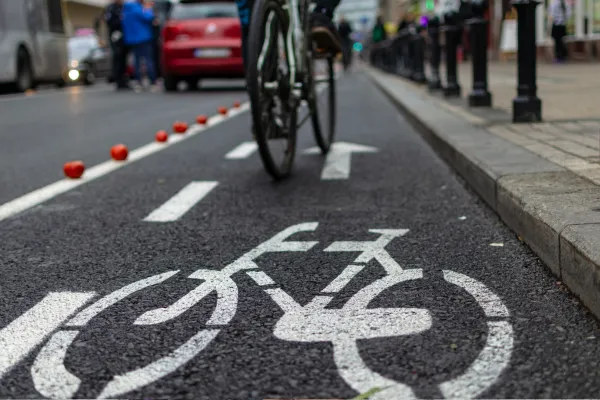
When cycling in designated bike lanes, cyclists usually have the right of way over turning motor vehicles, meaning drivers must yield before crossing the bike lane.
Pedestrians have priority over cyclists, so cyclists must yield to pedestrians in crosswalks and sidewalks.
Cyclists should ride on the right side of the road or in bike lanes where provided, and if the lane is too narrow to share safely, they may “take the lane” by occupying the center for safety.
Local laws can add specific rules, so checking state or city regulations is always advisable.
Bottom Line
Cyclists do not have absolute right of way but share equal rights and responsibilities with motorists. They must obey traffic laws, yield when required, and be vigilant for pedestrians and other vehicles on the road. Understanding and following these rules ensures everyone’s safety.
Read: Cyclist Hit by Door: Can I File a Claim?
Read: How to Get Medical Bills Covered After a Bicycle Accident