Blog
A Guide to Understanding Legal Restrictions on Sidewalk Advertising for Personal Injury Firms
Introduction to Sidewalk Advertising for Personal Injury Firms
Sidewalk advertising can be an effective way for personal injury law firms to reach potential clients in busy urban areas. However, unauthorized sidewalk advertisements may violate local laws and ethical standards, leading to fines, legal challenges, and reputational harm. This guide offers an educational overview of the common legal restrictions regulating sidewalk advertising for personal injury lawyers across the United States, along with compliance tips to help firms advertise responsibly.
What Constitutes Sidewalk Advertising?
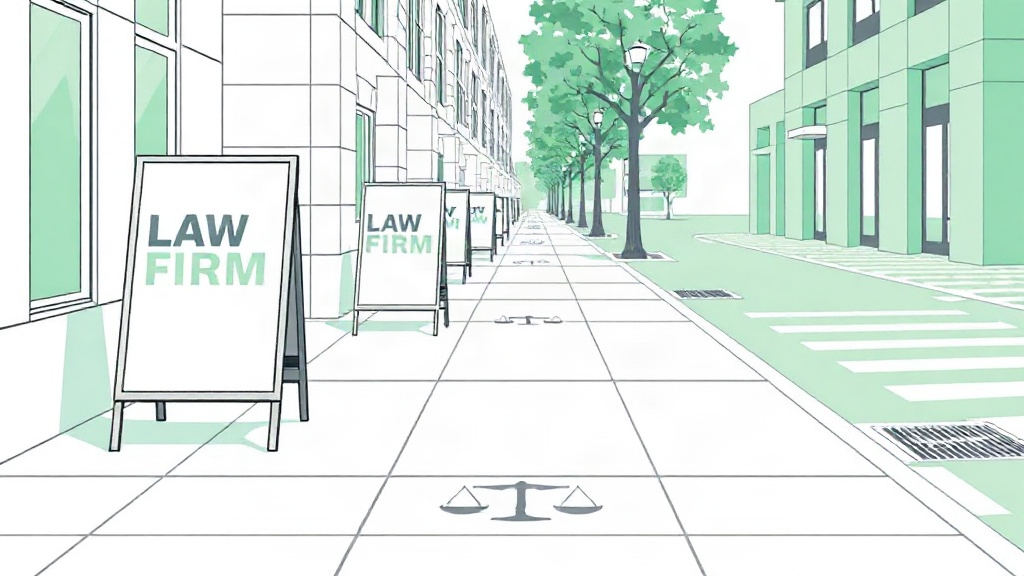
Sidewalk advertising includes any form of promotional material placed directly on public walkways, such as chalk art, A-frame signs, posters attached to poles, or flyers taped to surfaces. For personal injury firms, these advertisements often display firm names, phone numbers, or slogans targeting accident victims. Understanding what qualifies as sidewalk advertising under local laws is critical to avoiding unauthorized placement.
Common Legal Restrictions on Sidewalk Advertising
While regulations vary by jurisdiction, common legal rules on sidewalk advertising for personal injury law firms typically include:
Permits and Licensing: Many cities require permits for any advertising placed on public sidewalks. Advertising without a permit can be considered illegal vending or littering.
Location Limits: Restrictions may prohibit advertisements near crosswalks, intersections, or public transit stops to avoid obstructing pedestrian traffic or creating safety hazards.
Content Regulations: Some states mandate that legal advertisements must include disclaimers or prohibit misleading statements, ensuring accurate information for potential clients.
Duration Limits: Temporary signage like chalk drawings or sandwich boards may be restricted by time limits or subject to daily removal.
Public Right-of-Way Protections: Since sidewalks are public property, placing unauthorized materials may be deemed trespassing or vandalism.
State-Specific Examples Highlighting Legal Nuances
North Carolina
North Carolina applies strict rules on unauthorized sidewalk advertising. Under state statutes and local ordinances in Mecklenburg County (Charlotte area) and Wake County (Raleigh area), personal injury firms must obtain permits and ensure advertising does not create pedestrian hazards, particularly near busy highways like I-77, I-85, and I-40 or medical centers like Atrium Health and WakeMed.
General National Considerations
Nationally, firms must also navigate ethical rules established by state bars, preventing ads that guarantee outcomes or create unjust expectations. The advertising must remain professional and not disrupt the community environment.
Potential Legal Impacts of Unauthorized Sidewalk Advertising
Fines and Penalties: Noncompliance can result in citations, monetary fines, or orders to remove the advertising.
Reputational Harm: Unauthorized ads can damage public perception of a law firm’s professionalism and ethics.
Legal Liability: Improper use of public property or creating pedestrian safety risks may expose the firm to liability claims.
Tips for Compliant Sidewalk Advertising
Research Local Laws: Check city and county regulations, including permit requirements, location restrictions, and allowable advertising formats.
Obtain Required Permits: Secure necessary permits well in advance to ensure lawful placement of advertisements.
Use Temporary and Removable Formats: Opt for chalk art or sandwich boards that can be easily removed to comply with duration limits.
Avoid Obstruction: Place ads where they do not interfere with pedestrian traffic, crossings, or public safety.
Comply with Ethical Standards: Ensure ads are accurate, clear, and not misleading according to state bar advertising rules.
Conclusion
Sidewalk advertising can be a valuable marketing tool for personal injury firms. However, unauthorized or noncompliant advertising risks significant legal penalties and reputational damage. By understanding the common legal restrictions nationwide and taking steps toward compliance, personal injury lawyers can advertise ethically and effectively without compromising community safety or their professional standing.