Blog
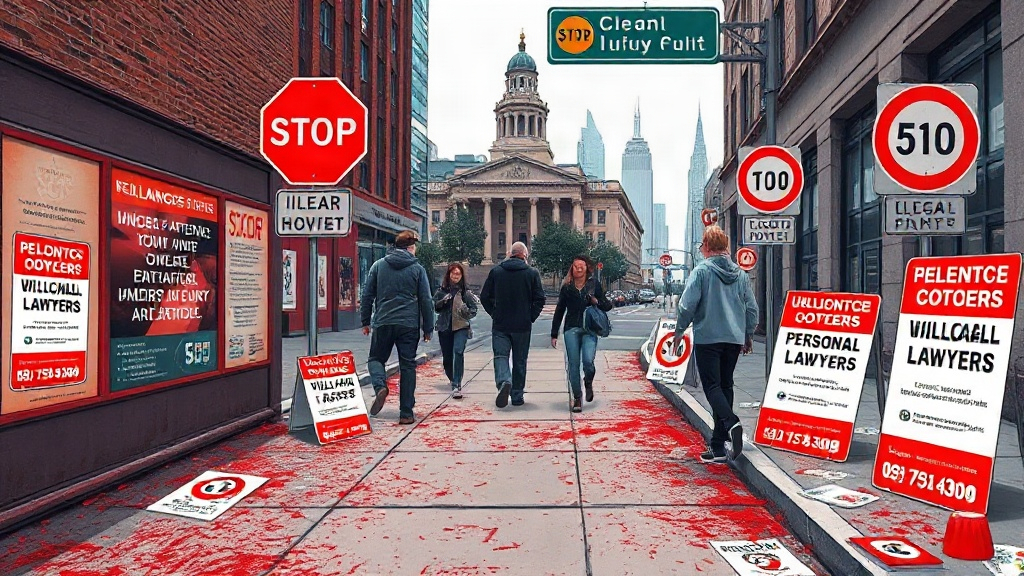
Why Aggressive Sidewalk Advertising by PI Law Firms Can Backfire Legally and Publicly
Unauthorized Sidewalk Advertising: A Risky Gambit for Personal Injury Firms
Personal injury (PI) law firms are known for their aggressive marketing tactics, but pushing the envelope with unauthorized sidewalk advertising is a dangerous move. While these DIY ads might seem like a cheap, high-visibility way to snag clients near busy corridors—think I-77 and I-85 in Mecklenburg County or Uptown Charlotte's bustling streets—they open a legal Pandora's box that can seriously damage a firm's image and bottom line.
The Legal Framework Against Sidewalk Advertising
Across North Carolina, local statutes and municipal ordinances strictly regulate advertising on public sidewalks. Sidewalk chalk ads, posters, or signs placed without proper permits often violate city codes designed to protect public safety and neighborhood aesthetics.
Local Ordinances: Charlotte and Raleigh both have strict regulations prohibiting unauthorized signage on sidewalks. Violations can lead to hefty fines and mandatory removal orders.
State Statutes: Under various North Carolina statutes, posting advertisements on public property without permission can be classified as illegal dumping or public nuisance.
Legal Ethics Implications: The NC State Bar's Rules of Professional Conduct emphasize honesty and fairness in legal advertising — unauthorized sidewalk ads risk breaching these ethical standards.
Potential Legal Consequences for PI Firms
PI firms engaging in unauthorized sidewalk advertising expose themselves to more than a slap on the wrist. The spectrum of legal repercussions includes:
Municipal Fines and Citations: Repeat offenders in Wake County and Mecklenburg County have faced escalating fines for ignoring removal orders.
Class Action or Community Lawsuits: Aggressive sidewalk ads can draw the ire of neighborhood associations or local businesses, who may pursue lawsuits to curb nuisance advertising.
Contempt and Court Orders: Courts may issue injunctions barring firms from certain advertising methods, damaging marketing strategies abruptly.
Public Backlash and Brand Damage
The reputational fallout can be even more devastating. Unauthorized sidewalk advertising often triggers public resentment rather than admiration:
Community Alienation: Residents in Raleigh and Charlotte communities view rampant chalk or sign ads as vandalism, leading to diminished trust in the offending firms.
Negative Associations: Being known as the ‘lawyer who litters sidewalks’ invites criticism, making potential clients skeptical about professionalism and ethics.
Online Backlash: With social media amplifying local grievances, a viral post denouncing illegal advertising can spiral into a broader public relations crisis.
Why Aggressive Marketing Isn’t Worth the Risk
High-risk marketing tactics like unauthorized sidewalk ads might yield short-term visibility, but at what cost? For PI firms relying on sensitive negotiations and credibility—especially in complex North Carolina contributory negligence contexts—the damage to reputation and legal standing far outweighs any fleeting client attention.
Legal and Ethical Alternatives to Sidewalk Advertising
Firms must pivot to aggressive yet compliant marketing strategies that don’t invite legal trouble or community hostility:
Targeted Digital Campaigns: Use geo-targeted ads around major NC highways (I-40, I-85) and hospital zones like WakeMed or Atrium Health for visible, trackable lead generation.
Community Sponsorships: Align with local causes or sports teams in Mecklenburg or Wake County to boost brand recognition with goodwill.
Permitted Signage and Events: Always obtain proper city permits for any physical advertising and participate in or host legal community events instead of rogue postings.
Conclusion: The Bottom Line on Unauthorized Sidewalk Ads
Aggressive marketing is part of PI litigation culture — but crossing legal and ethical boundaries with unauthorized sidewalk advertising jeopardizes both firm survival and professional respect. PI firms in North Carolina and nationwide need to understand that the sidewalk is not a free billboard. Take risks within the lines or face fines, lawsuits, and public outrage.
Ready to dominate the legal arena without crossing the line? Contact rawsuit’s expert marketing and legal compliance team today to craft fearlessly effective campaigns that stay on the right side of the law and public opinion.